Learning games for 6 year olds

In today's digital age, learning games have become an effective and engaging way to help 6-year-olds develop essential skills while having fun. Whether it's honing their math abilities, improving their language skills, or enhancing their critical thinking, there are plenty of educational games designed specifically for this age group. To assist parents and educators in finding the best learning games for 6-year-olds, we have compiled a list of 4 articles that provide valuable insights and recommendations.
Top 10 Educational Apps for 6-year-olds
In this digital age, educational apps have become an invaluable tool for parents looking to supplement their child's learning. Today, I will highlight some of the best educational apps that are perfect for 6-year-olds. These apps are not only engaging but also educational, helping children learn key concepts in a fun and interactive way.
-
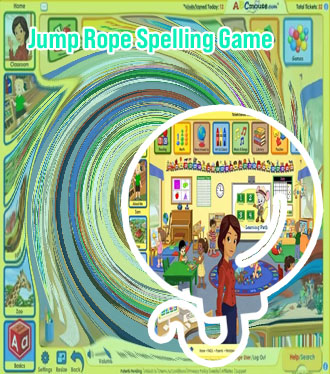
ABCmouse - ABCmouse is a comprehensive early learning app that covers a wide range of subjects such as math, reading, science, and art. With interactive games, puzzles, and activities, ABCmouse helps children develop essential skills while keeping them entertained.
-
Endless Alphabet - Endless Alphabet is a fun and colorful app that helps children learn letters and vocabulary through interactive puzzles and animations. The app features quirky monsters that teach children how to spell words and improve their understanding of the alphabet.
-
PBS Kids Games - PBS Kids Games offers a variety of games and activities based on popular children's TV shows. From literacy games to math puzzles, this app provides a well-rounded educational experience for young learners.
-
Quick Math Jr. - Quick Math Jr. is a math app designed specifically for young children to practice basic math skills such as counting, addition, and subtraction. The app uses engaging games and challenges to make learning math fun and interactive.
The Benefits of Board Games for Young Learners
Board games have long been a popular form of entertainment for people of all ages, but their benefits for young learners cannot be overlooked. Not only are board games a fun way for children to spend their time, but they also offer a wide range of educational benefits.
One of the primary benefits of board games for young learners is the development of critical thinking skills. Games such as chess, Scrabble, and Settlers of Catan require players to think strategically, plan ahead, and make decisions based on the information available to them. By playing these games, children can improve their ability to think critically and solve problems effectively.
In addition to critical thinking skills, board games also help young learners develop important social skills. Many board games require players to communicate with each other, work together towards a common goal, and understand the rules of the game. By playing these games, children can improve their communication skills, learn how to cooperate with others, and develop a sense of sportsmanship.
Overall, board games are an excellent tool for parents and educators looking to help young learners develop essential skills in a fun and engaging way. By incorporating board games into their learning activities, children can improve their critical thinking skills, social skills, and overall cognitive development.
Fun and Interactive Online Learning Platforms for Kids
none
How to Choose the Right Learning Games for Your Child
Choosing the right learning games for your child can have a significant impact on their educational development and enjoyment. With so many options available, it can be overwhelming to know where to start.
When selecting a learning game for your child, the first thing to consider is their age and grade level. Different games are designed to target different skills and knowledge levels, so it's important to choose one that aligns with where your child is at in their learning journey.
Additionally, consider your child's interests and learning style. Some children may prefer games that are more visual and hands-on, while others may thrive with games that involve problem-solving and critical thinking. By selecting a game that aligns with your child's interests and learning preferences, you can help them stay engaged and motivated to learn.
Furthermore, look for games that offer opportunities for growth and progression. A good learning game should challenge your child to think critically and problem-solve, while also providing opportunities for them to practice and master new skills.
In conclusion, choosing the right learning games for your child is essential in helping them excel academically. By considering factors such as age, interests, learning style, and opportunities for growth, you can select a game that will enhance your child's learning experience and foster a love